Fire safety in mixed-use and residential buildings has never been more scrutinised. With tighter regulation, increased enforcement, and the ongoing impact of the Building Safety Act 2022, dutyholders can no longer afford a “tick-box” approach to compliance.
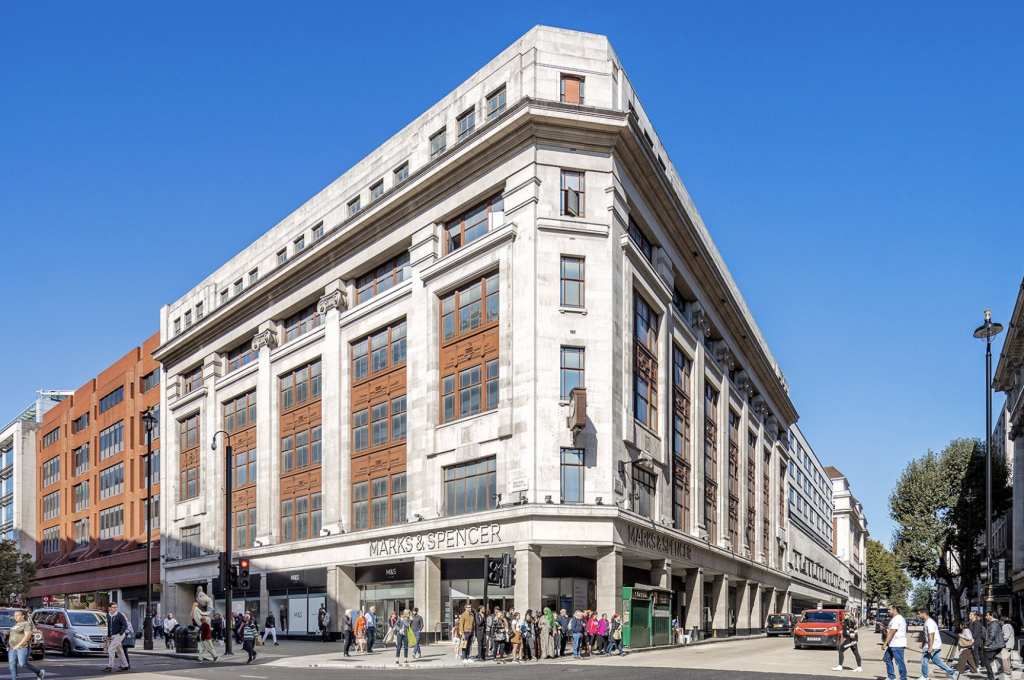
Mixed-use buildings in particular present unique and often underestimated fire risks — combining residential accommodation with commercial, retail, or office spaces under one roof.
So what does good fire safety management really look like in these environments?
Why Mixed-Use Buildings Are Higher Risk
Mixed-use and residential buildings often involve:
- Different occupancy types
- Varying fire loads
- Conflicting management responsibilities
- Shared escape routes and common areas
For example, a building with ground-floor retail units and residential flats above may face increased ignition risks from commercial activities, while also housing vulnerable occupants who rely heavily on effective fire safety measures.
Without clear coordination, these complexities can quickly lead to gaps in compliance.
Legal Responsibilities: Who Is the “Responsible Person”?
Under the Regulatory Reform (Fire Safety) Order 2005, the Responsible Person is legally required to:
- Carry out and maintain a suitable and sufficient fire risk assessment
- Implement appropriate fire safety measures
- Ensure escape routes are safe and accessible
- Maintain fire detection, alarms, and firefighting equipment
In mixed-use buildings, there may be multiple responsible persons — such as freeholders, managing agents, and commercial tenants — all with overlapping duties. Failure to clearly define responsibilities is one of the most common issues identified during assessments.
Common Fire Safety Failures We See
From experience, recurring issues in mixed-use and residential buildings include:
- Poorly maintained or obstructed escape routes
- Inadequate fire separation between commercial and residential areas
- Defective or non-compliant fire doors
- Outdated fire risk assessments that don’t reflect building changes
- Lack of communication between managing agents and occupants
These issues don’t just increase risk — they significantly increase legal and reputational exposure.
What Good Fire Safety Management Looks Like
Effective fire safety in mixed-use and residential buildings should include:
- Regularly reviewed, building-specific fire risk assessments
- Clear allocation of fire safety responsibilities
- Robust inspection and maintenance regimes
- Competent assessors with experience in complex buildings
- Active engagement with residents and commercial occupiers
Fire safety is not a one-off exercise — it’s an ongoing management process.
As regulation continues to evolve, dutyholders must move beyond basic compliance and focus on practical, proportionate risk control. Mixed-use and residential buildings demand a higher level of coordination, competence, and oversight.
A well-managed fire safety strategy doesn’t just meet legal requirements — it protects lives, assets, and long-term value.
If you’re responsible for a mixed-use or residential building and want confidence that your fire safety arrangements are compliant, current, and proportionate, an independent review can provide valuable assurance.
Safe Track RM supports dutyholders with practical, risk-based fire safety solutions tailored to complex buildings.